Everything You Need to Know Before Buying a Home in Pune in 2026
By The 24K Lifestyle Team | Last Updated: August 17, 2026


Table of Content
Buying your first home in Pune in 2026, in short: budget 10 to 20 percent of the property value as down payment, add 7 to 8 percent for stamp duty and registration, get a pre-approved home loan (rates start near 7.25 percent), verify the project on MahaRERA, shortlist areas by commute and budget, and inspect the site with a written checklist before booking. This guide covers each step in detail.
Buying your first home is the largest cheque most of us will ever sign, and Pune does not make the choice easy. More than 300 residential projects are selling across the city at any given time, prices vary threefold between micro markets, and every builder brochure promises the same dream. This guide cuts through that noise with the numbers, checklists and local knowledge a first time home buyer in Pune actually needs in 2026.
Is 2026 a Good Time to Buy a Home in Pune?
The honest answer: the fundamentals favour buyers who choose carefully. Three things define the Pune market in 2026.
Interest rates have eased. The RBI has held the repo rate at 5.25 percent, and leading banks now offer home loans starting around 7.25 percent per annum. For a 75 lakh loan over 20 years, every half percent saved on the rate is roughly 2.5 lakh kept in your pocket over the tenure. Rates this side of 8 percent meaningfully improve affordability compared with the 9 percent plus phase borrowers faced a few years ago.
Infrastructure is catching up with the city. Metro connectivity between the Hinjawadi IT corridor and central Pune is reshaping commute maths for the western suburbs. Areas like Baner, Balewadi, Pimple Nilakh and Wakad sit directly in this improvement zone, which historically is where capital appreciation concentrates.
Supply is abundant, but quality is not. Plenty of new projects in Pune are launching, yet homes from established, listed developers with delivery track records remain a small slice of the market. That gap between overall supply and quality supply is exactly why builder research (covered below) matters more than timing the market.
What this really means is: stop waiting for a perfect price dip. Buy when your finances are ready and the project passes every check in this guide.
How Much Money Do You Really Need? Budget Planning Beyond the Ticket Price
The advertised price is the beginning of the conversation, not the end. Plan for these layers.
- Down payment. Lenders typically finance 75 to 90 percent of the property value. On a 1.5 crore home, expect to bring 15 to 30 lakh of your own funds.
- Stamp duty and registration. In Pune in 2026, stamp duty is 7 percent for male buyers and 6 percent for female buyers (including metro cess and local body tax), plus a registration fee of 1 percent capped at 30,000 rupees. Registering the home in a woman’s name, fully or jointly, saves a full percentage point. On a 1.5 crore purchase, that is 1.5 lakh saved.
- Under construction homes attract 5 percent GST without input tax credit. Ready to move homes with an occupancy certificate attract none. This single difference often decides whether buyers choose ready to move luxury homes in Pune over launches.
- The quiet costs. Society formation charges, clubhouse membership, advance maintenance (often 2 years collected upfront), parking allotment, and interiors. A sensible provision is 8 to 12 percent of the agreement value for everything beyond the ticket price.
A working EMI rule: keep your total EMIs under 40 percent of monthly take-home income. Run the numbers on any bank EMI calculator before you shortlist, not after. If a 2.5 lakh monthly income supports an EMI near 1 lakh comfortably, your realistic budget band in 2026 is roughly 1.3 to 1.6 crore with a standard down payment.

How Do Home Loans Work for First Time Buyers in 2026?
Getting the loan right saves more money than any negotiation at the sales office.
Best rates and how to get them. Home loan rates in July 2026 start around 7.25 percent for borrowers with credit scores above 750, and most large lenders price between 7.25 and 8.5 percent. Rates are repo linked, so they move with RBI policy. A credit score below 700 can cost you 50 to 75 basis points, so clean up your score before applying, not after.
Eligibility in practice. Lenders look at income stability (2 to 3 years of ITRs or salary slips), existing obligations, age and property quality. Salaried IT professionals working in Hinjawadi or Kharadi typically qualify for 55 to 60 times monthly net salary as loan amount, subject to the EMI to income cap.
Documents to keep ready:
- PAN, Aadhaar and passport size photographs
- Last 3 to 6 months’ salary slips and Form 16, or 3 years’ ITR for self-employed buyers
- 6 to 12 months of bank statements
- Sale agreement, RERA certificate of the project, and title documents (the lender’s legal team verifies these, which is a free second layer of due diligence for you)
One practical tip: get a pre-approved loan before you shortlist. It fixes your true budget, strengthens your negotiating position, and shortens the time between choosing a home and booking it, which matters in fast-selling towers.
Which Area of Pune Should You Buy In? Location by Budget and Lifestyle
Location decides 80 percent of your ownership experience and nearly all of your resale story. Here is how West Pune’s key micro markets stack up for first time buyers in 2026.
- Baner: the established premium address. Restaurants, international schools, quick access to the Mumbai-Pune Expressway and the IT corridor. Expect premium pricing, strong liquidity, and consistent demand for luxury apartments in Baner. Ideal if lifestyle and resale strength top your list.
- Balewadi: Baner’s younger sibling, anchored by Balewadi High Street. Slightly better value than Baner with the same connectivity story.
- Pimple Nilakh: the quiet outperformer. Sits between Aundh, Wakad and the Hinjawadi tech parks, with a green, residential character and a cluster of premium gated communities. Buyers wanting larger 3 and 4 BHK residences in Pimple Nilakh get more home per rupee than in Baner.
- Bavdhan: hillside surroundings, expressway access, and rapid premiumisation. Suits buyers who want space and calm without leaving West Pune.
- Hinjewadi: the employment engine itself. Best for IT professionals optimising commute, and for buyers eyeing row houses in Pune and low-density formats on the corridor’s edge.
- Wakad and Aundh: connectivity hubs with mature social infrastructure, good for buyers balancing budget with access.
A useful exercise: drive your actual commute at 9 am from each shortlisted area before deciding. Maps at midnight lie.
What Should You Verify on RERA Before Booking?
MahaRERA is your single most powerful due diligence tool, and it is free. Before paying a token amount for any flat, open the MahaRERA portal and check:
- Registration number and validity. Every under construction project selling in Maharashtra must be registered. No number, no booking. Our detailed explainer on RERA registered vs approved projects covers the difference.
- Promised possession date. The legally committed date, not the sales pitch.
- Litigation disclosures. Cases against the project or promoter are listed on the portal.
- Approved plans and amenities. Compare what is filed with what the brochure shows.
- Quarterly progress updates. A developer who files updates on time usually builds on time.
- Complaint history of the promoter. Patterns matter more than one-off disputes.
Ten minutes on the portal filters out most of the risk a first time buyer faces.
How Do You Research a Builder’s Reputation?
Brochures are marketing. Track records are evidence. Evaluate every developer on five hard questions.
- Delivery history: how many projects completed, and how many delivered on or before the RERA date?
- Financial standing: is the company listed and audited? Kolte-Patil Developers, for context, is Pune’s first NSE and BSE listed real estate company with 30 plus years of operations and over 26 million sq ft delivered, with consistently strong credit ratings on its projects.
- Construction quality: visit one of the developer’s 5 year old projects, not just the sample flat. Ask residents about seepage, lifts and maintenance response.
- After-sales culture: does the developer run a structured post-possession service? This is where premium developers separate from the rest.
- Resale performance: how do the developer’s older projects trade versus their micro market? A brand that commands a resale premium protects your capital.
What Should You Inspect on a Site Visit? The 15 Point Checklist
Carry this list. Tick every item in writing.
- Carpet area measured against the RERA filing, not the brochure’s built-up figure
- Road width and access to the project entrance
- Water source and storage capacity per flat
- Power backup scope: full flat, partial, or common areas only
- Tower placement, ventilation and daylight in the actual unit, not the show flat
- View from your specific floor and unit, including future construction that may block it
- Parking allotment: location, size and cost
- Quality of common area finishes in completed towers
- Fire safety systems and evacuation routes
- Clubhouse and amenity sizes versus brochure claims
- Distance to schools, hospitals and daily shopping in actual drive time
- Mobile network strength inside the flat
- Flooding history of the access roads in monsoon
- Maintenance charges per sq ft and what they include
- Exit points to main roads at peak hour

What Happens After You Book? Registration, Stamp Duty and Move-In
The post-booking sequence in Maharashtra runs like this.
- Booking and allotment letter against the token payment.
- Agreement for sale within the statutory window, drafted on the RERA model format. Read the payment schedule, possession date and default clauses before signing.
- Stamp duty and registration at the sub-registrar’s office: 7 percent stamp duty for men, 6 percent for women in Pune, plus the 1 percent registration fee capped at 30,000 rupees. Duty is calculated on the higher of agreement value or ready reckoner rate.
- Loan disbursement begins as per construction-linked or possession-linked schedule.
- Possession and occupancy certificate. Do not take possession without the OC. It is your legal proof the building is fit for occupation and it protects your GST position.
- Handover inspection and snag list. Document defects in writing and get rectification timelines committed before you register the final acceptance.
- Society formation and move-in. Utilities transfer, maintenance account setup, and you are home.
Why First Time Buyers in Pune Choose Kolte-Patil and 24K Living

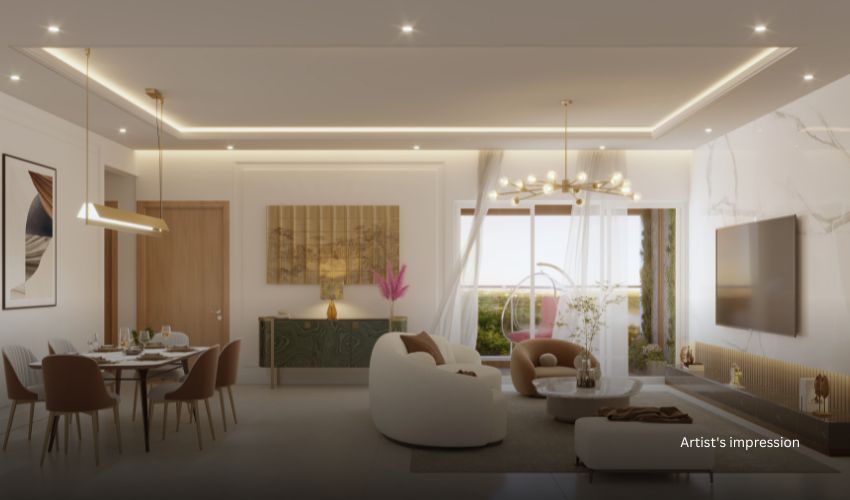
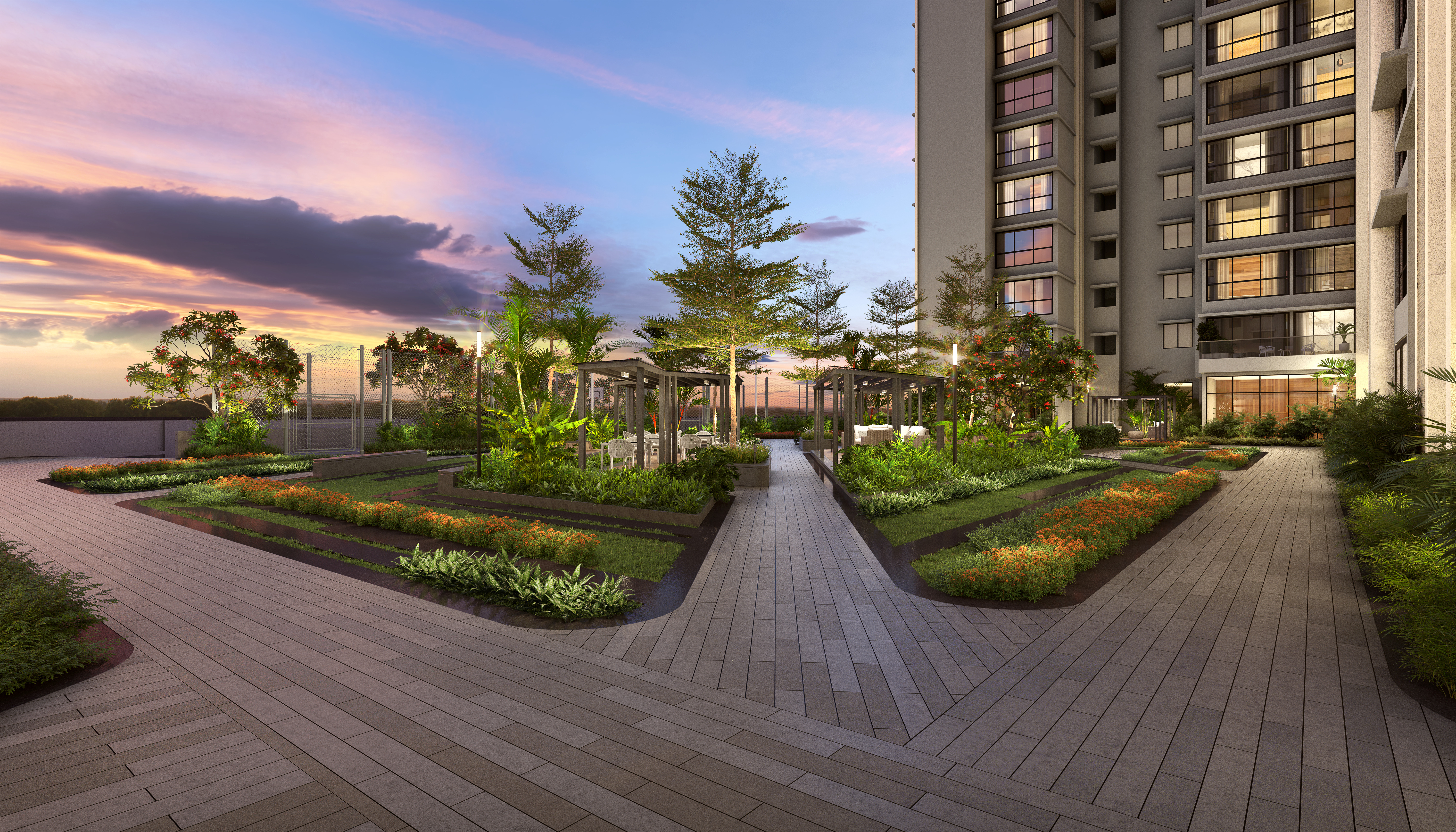
Here’s the thing about first purchases: you are not just buying a flat, you are buying the certainty that everything above has been done right, once, by someone accountable. That is the premise 24K was built on. Every 24K project, from 3 BHK flats in Pune and 4 BHK flats in Pune in Baner, Pimple Nilakh and Bavdhan to luxury homes in Hinjewadi, is RERA registered, delivered by a listed developer with three decades of history, and designed around the 24 principles of the 24K design philosophy, from smart home automation to green architecture.
The takeaway: fix your budget with the full cost stack, secure a pre-approved loan, verify everything on MahaRERA, judge builders on delivery rather than brochures, and inspect with a checklist. Do these five things and 2026 is a very good year to stop paying rent in Pune.
Ready to see what the gold standard feels like? Explore 24K Living’s residences across Baner, Pimple Nilakh, Bavdhan and Hinjewadi, or talk to our team for a guided visit. Your first home should feel like your best decision.
FAQs
Q1. How much money do I need to buy my first home in Pune in 2026?
Plan for 10 to 20 percent of the property value as down payment, plus 7 to 8 percent for stamp duty, registration and GST, and another 8 to 12 percent for interiors, maintenance deposits and society charges. On a 1 crore flat, that means roughly 25 to 35 lakh beyond the loan.
Q2. What is the stamp duty on property in Pune in 2026?
Stamp duty in Pune is 7 percent for male buyers and 6 percent for female buyers, including metro cess and local body tax. Registration is 1 percent, capped at 30,000 rupees for properties above 30 lakh. Duty applies on the higher of agreement value or ready reckoner rate.
Q3. Is it better to buy a ready to move or under construction flat in Pune?
Ready to move flats carry no GST and no delivery risk, and you start living or earning rent immediately. Under construction homes cost less upfront and offer payment flexibility but attract 5 percent GST. First time buyers who value certainty usually prefer ready or near-possession homes from established developers.
Q4. Which area is best for first time home buyers in Pune?
For working professionals in West Pune: Baner for lifestyle and resale strength, Pimple Nilakh for larger homes at better value, Bavdhan for green surroundings, and Hinjewadi or Wakad for the shortest IT commute. Match the area to your commute, budget band and family stage.
Q5. What home loan interest rate can I get in Pune in 2026?
Home loan rates start around 7.25 percent per annum in July 2026 for borrowers with credit scores above 750, with most lenders pricing between 7.25 and 8.5 percent. Rates are repo linked, and the RBI repo rate currently stands at 5.25 percent.
Q6. How do I check if a project in Pune is RERA registered?
Search the project name or registration number on the MahaRERA portal. Verify the registration validity, promised possession date, approved plans, litigation disclosures and the promoter’s complaint history before paying any token amount.
Q7. What is the difference between carpet area and built-up area?
Carpet area is the usable floor area within your walls, and it is the only figure RERA allows builders to sell on. Built-up area adds wall thickness and balconies; super built-up adds common areas. Always compare prices per square foot of carpet area.
Q8. How much should my EMI be compared to my salary?
Keep total EMIs within 40 percent of monthly take-home income. For a 2 lakh monthly income, that caps EMIs near 80,000 rupees, which in 2026 supports a loan of roughly 1 to 1.1 crore over 20 years at prevailing rates.
Q9. Are 3 BHK flats in Pune a better investment than 2 BHK?
In premium West Pune micro markets, 3 BHK and larger homes have shown stronger appreciation and rental demand, driven by hybrid work and upgrading families. A 3 BHK in a gated community from a reputed developer typically holds resale value better than smaller formats in the same location.
Q10. Why should I buy from a RERA registered, listed developer?
Listed developers publish audited financials, follow statutory disclosure norms and have brands to protect, which shows up as on-time delivery and structured after-sales service. Kolte-Patil, Pune’s first NSE and BSE listed developer, has delivered over 26 million sq ft across 30 plus years.